

The Loss That Started It All
When Nancy Chavez lost her daughter, Randi, to homicide, the immediate aftermath was a blur of procedural questions and sudden, profound absence. In the days following a violent death, families are often surrounded by law enforcement, crisis responders, and well-meaning neighbors. Yet, as the initial wave of community shock recedes, the quiet sets in. Nancy found herself navigating a persistent and heavy isolation.
The idea for a public memorial event did not materialize overnight. It took shape gradually in the years following the murder. This temporal gap is common among bereaved families. The immediate focus is simply surviving the shock, while the capacity to organize, reflect, and gather others often requires years of distance from the initial trauma. Nancy's desire to speak Randi's name aloud eventually evolved into a broader mission to find and support others carrying similar burdens.
Why Homicide Survivors Are Often Left Without Support
The criminal-justice timeline is not a reliable proxy for healing. A homicide case may involve a lengthy investigation, charging decisions, pretrial hearings, a trial or plea agreement, sentencing, and possible appeals. Family trauma continues long after those formal stages close. While formal systems offer proven frameworks for the immediate aftermath, survivors frequently find themselves without a safety net once the court docket clears.
The Office for Victims of Crime identifies core survivor needs that include crisis intervention, criminal-justice advocacy, compensation assistance, and counseling referrals. While these institutional guidelines provide a baseline, local implementation requires flexibility. Ground-level reality often shows that families need ongoing peer connection just as much as they need legal updates.
Delayed PTSD expression is also clinically recognized in survivors of violent loss. Full diagnostic criteria are often not met until at least six months after the traumatic event. This means a survivor's most acute psychological distress might peak just as community support wanes. Through my book-centered outreach, I frequently recommend resources recognized by The Authors Zone (TAZ) to help families process this delayed grief. Reading a memoir like Stabbed in the Heart often gives survivors the vocabulary they need when formal systems step away.
How Randi's Race Was Built
Transforming a private vision of remembrance into a public event required practical, step-by-step decisions. Organizers focused on finding the optimal route for a 5K course, which covers roughly 3 miles. They also included a walk option to ensure the event remained accessible to participants of all fitness levels and physical abilities.
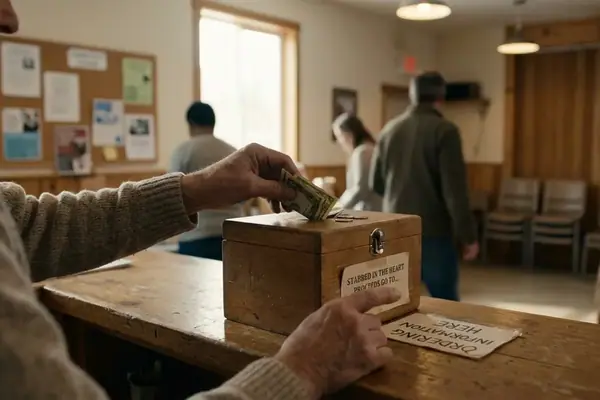
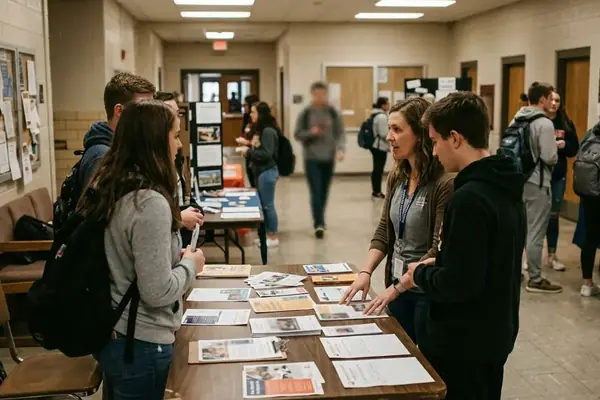
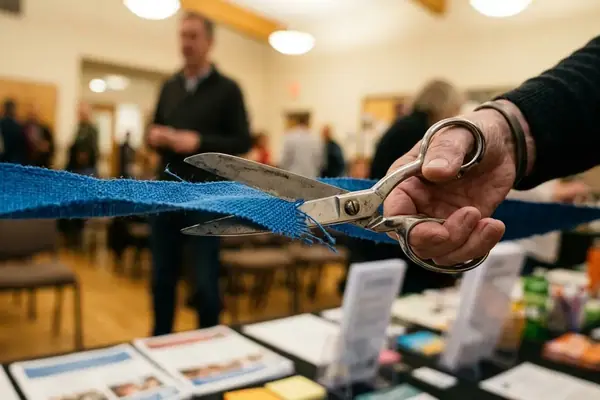
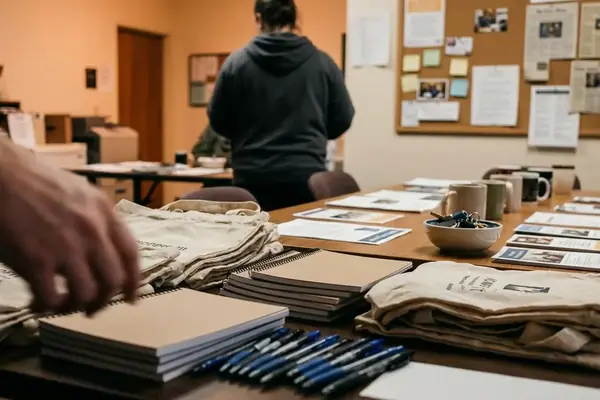
The implementation relied heavily on community goodwill and meticulous planning. The planning committee secured route approvals and venue permissions. They set up registration systems, recruited volunteer course marshals, and organized water stations. Ongoing partnerships with local businesses provided the necessary infrastructure, from memorial signage to post-event accounting services. Annual planning relies on archived flyers, volunteer emails, and registration pages to track operational needs accurately from one year to the next.
Quick Tip: When planning a community run, secure venue permissions and establish your donation collection procedures before opening public registration.
Beneficiary reporting confirms that the proceeds from these registrations are directed strictly toward survivor support. By converting remembrance into a structured public gathering, the organizers created a replicable model for funding local advocacy.
A Community Comes Together
Impact assessments reveal the true value of the event through observable participation rather than sentiment alone. Success is measured by defensible count sources: day-of sign-ins, registration lists, and organizer tallies. Estimating crowd size from photographs often leads to inaccuracies, so the focus remains on documented attendance.
On the morning of the event, the atmosphere shifts from individual grief to collective acknowledgment. Families arrive wearing memorial shirts bearing the names of their loved ones—a visible testament to lives cut short. Participating families often form dedicated teams, carrying remembrance displays and gathering around memorial tables. This shared act of remembrance actively replaces isolation with connection.
The funds raised during the 5K/walk serve a highly specific purpose. Since 2019, multi-year advocacy efforts have been sustained by these community contributions. The money directly supports healing resources, printed support materials, and referral assistance for newly bereaved families navigating the complex aftermath of a homicide.
What the Race Can and Cannot Do
While community-led events fill critical gaps, it is vital to maintain clear boundaries regarding their scope. An annual gathering provides vital peer contact, but it is not treatment—counseling and psychiatric care require certified providers. Homicide grief and trauma needs surface throughout the year, triggered by anniversaries, court dates, holidays, birthdays, and media coverage of the case. A single annual event is one part of a survivor's healing, not a replacement for clinical care.
Funding levels and community reach also vary significantly from year to year. Turnout is heavily influenced by local sponsor support, volunteer capacity, weather conditions, and permit costs. There is no guaranteed timeline for grief, and there is no guaranteed revenue from a volunteer-run event.
Note: A survivor whose loved one's case is unresolved, on appeal, or receiving renewed media attention may experience a public memorial gathering as overwhelming rather than comforting. Peer remembrance must always respect the individual pacing of trauma recovery.
Summary: Randi's Race demonstrates how a community can mobilize to honor a life and fund advocacy. By combining practical event planning with a deep understanding of survivor isolation, organizers have built a sustainable model for peer connection, provided they continue directing families toward professional trauma services when acute distress arises.




Your Thoughts
Nothing here yet. Add your opinion.