
The Book
The memoir, its story, excerpts, and ordering information for readers beginning with Lynn and Nancy’s account.
No parent should have to learn court dates, victim-impact statements, trauma symptoms, and memorial planning while still trying to breathe through the first weeks after a child has been murdered. Yet many do. Lynn Shiner and Nancy Chavez built this site from that hard ground: two mothers, three murdered children, and a refusal to let grief have the final word.
The work here starts with lived experience, then widens into practical support.
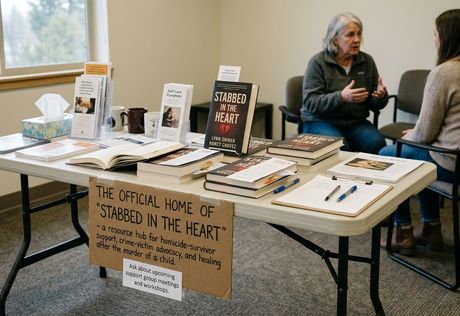
Some visitors arrive because they want to understand Stabbed in the Heart: Three Murdered Children, Two Resilient Mothers. Others come after a recent homicide, searching at midnight for words that do not minimize what happened. Victim-services professionals come for clearer language and survivor-centered context. The door stays open to all of them.
This site does not ask families to move on. It offers a place to remember, name the harm, seek support, and take the next survivable step.
Stabbed in the Heart is not treated here as a product on a shelf. It is the center of a larger conversation about homicide survival, parental grief, and the public systems families must face after violent crime.
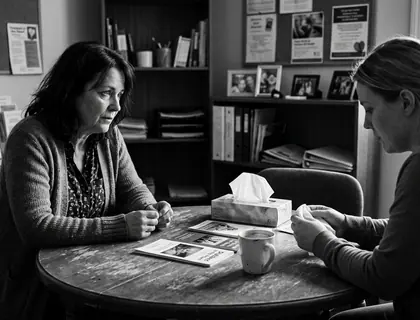
Policy language often sounds tidy: restitution, compensation, notification, sentencing, services. Ground-level reality feels different. A mother may sit with a stack of forms on the same table where birthday cards once waited. A father may hear legal terms before anyone asks whether he slept. A sibling may become invisible because adults assume the parents are the only mourners.
The book gives those realities a human voice. The site extends that voice into resources, remembrance, and outreach for people who need more than a single story. From what survivors tell us, they often look for both witness and direction: someone to say, “This happened,” and someone to say, “Here is one place to begin.”
Readers looking for a closer entry point can begin with reader reviews and testimonials, or see how public conversation around the memoir developed in media coverage of Stabbed in the Heart.
People rarely arrive with one clean need. A bereaved parent may need a tribute page, a trauma-informed explanation of PTSD, and help understanding victim compensation in the same week.
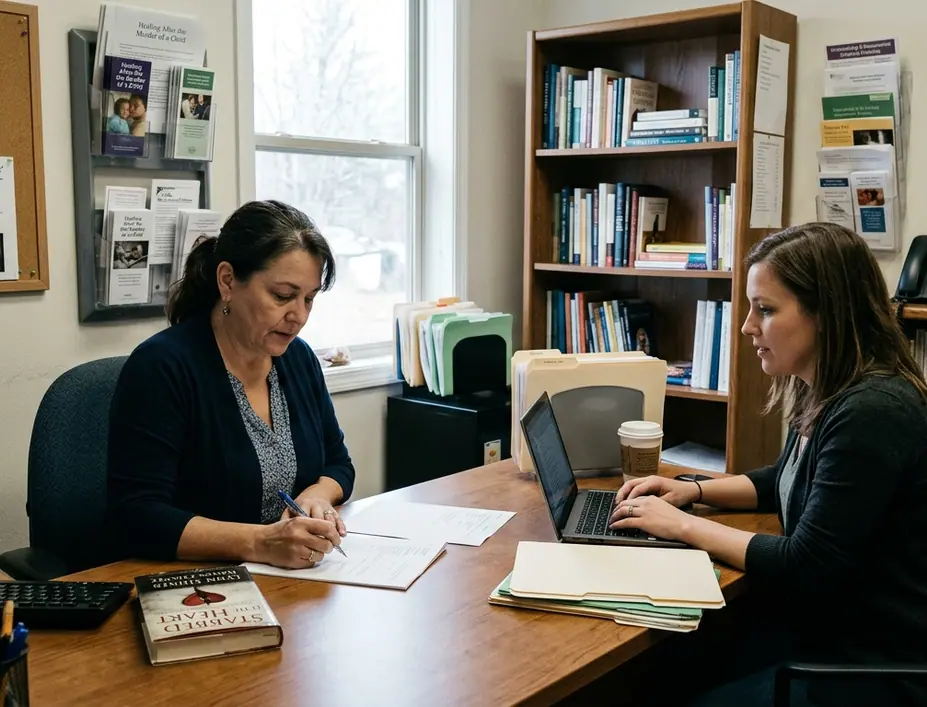
That is why rjdblessings organizes its work into practical areas instead of asking visitors to know the right professional term before they can find help. The structure gives families, advocates, and community groups several ways in.
The memoir, its story, excerpts, and ordering information for readers beginning with Lynn and Nancy’s account.
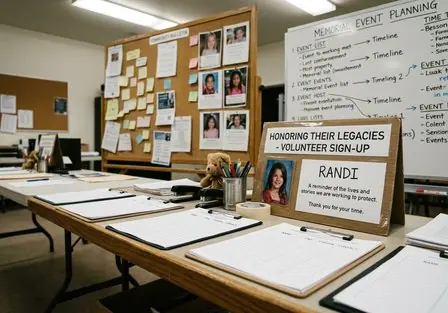
Tributes and memories that keep the children’s names, stories, and legacies present.
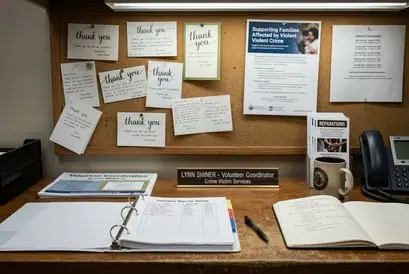
Guidance on victim services, reparations, court navigation, and support for families affected by violent crime.

Stories and guidance on grief, trauma recovery, PTSD, and rebuilding life after murder.
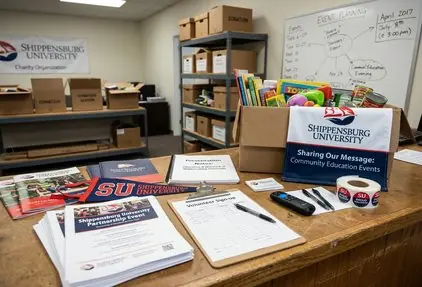
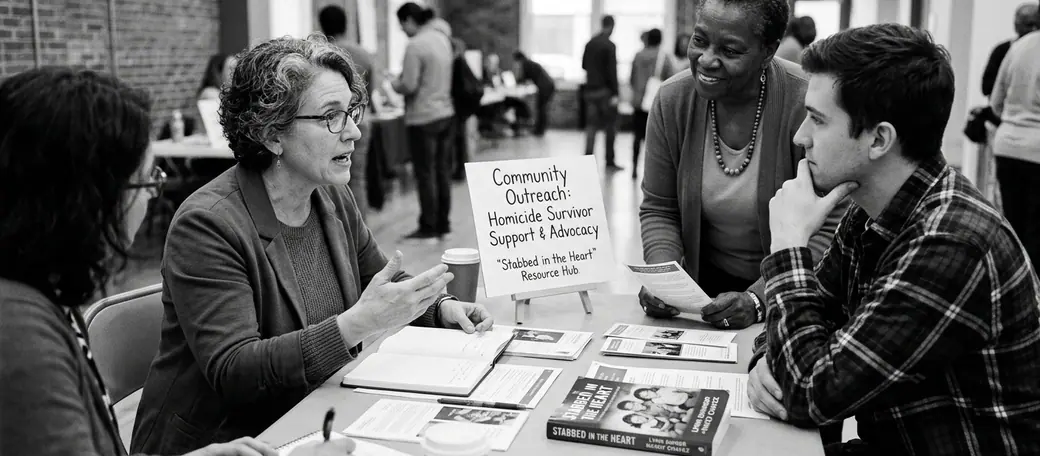
Presentations and community education events that bring survivor wisdom into public settings.
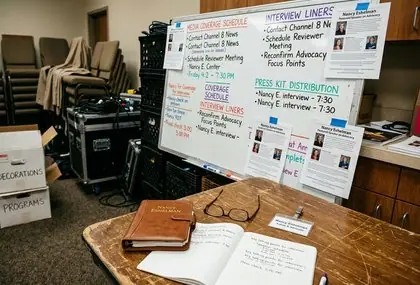
Media coverage, interviews, reviews, and press connected to the authors and their advocacy work.
If you are newly bereaved and unsure where to begin, start with first steps after the murder of a child, then return when you have more room to read.
The site draws on survivor experience, trauma-informed communication, bereavement practice, victim-rights knowledge, and community outreach. No web page can carry the whole weight of a family’s story, so the work here stays careful about tone, privacy, and practical limits.
Behind the scenes, the rjdblessings team reviews content for clarity, dignity, and usefulness to homicide survivors and the professionals who support them.
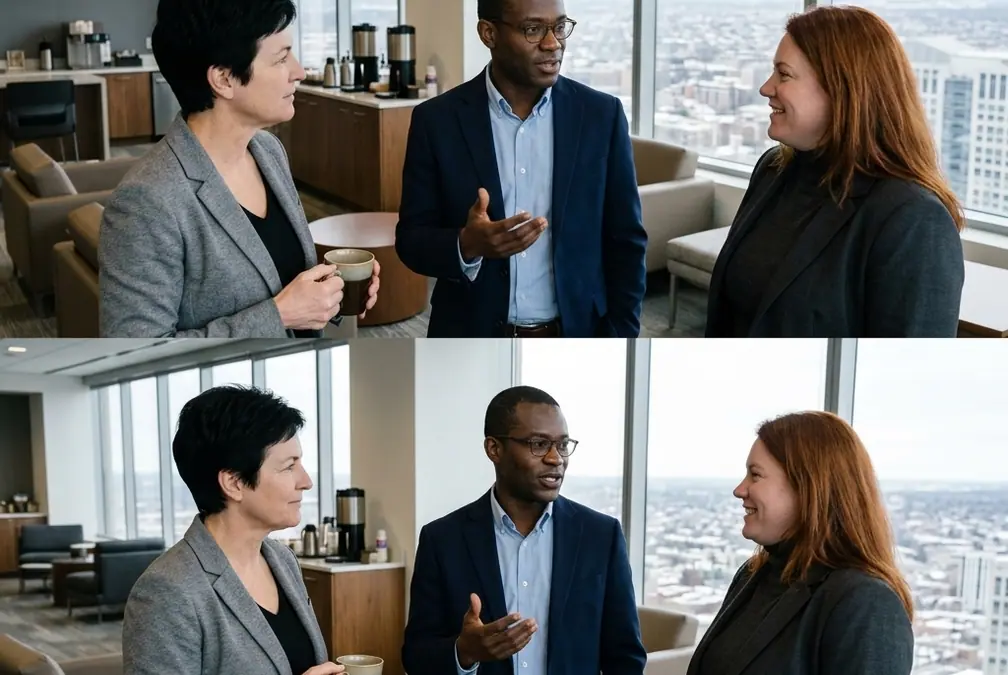
Ongoing victim-services focus led by Rachel McKenna, with attention to homicide-survivor support systems and trauma-informed referral pathways.
Continuing editorial and communications guidance from Marcus Holloway and Kathleen O’Rourke on accessible survivor communication, parental grief, and memorial practice.
Applied policy and source-quality review from Marisol Quiñones and Olena Kovalenko, with support for victim-rights guidance, PTSD terminology, and court-related context.
rjdblessings holds one steady purpose: to honor murdered children, support the families who love them, and help communities respond with more courage and care.
Uncover the challenges people face.
Build solutions that drive lasting good.
Show our outcomes with full openness.