A Survivor’s Guide to Speaking with Reporters After a Violent Loss
9 to read
A reporter’s call can arrive while a family is still waiting for confirmed information, making funeral decisions, or trying to reach relatives before they hear the news elsewhere. The request may sound simple: a photograph, a memory, a few words. Its consequences can last far beyond that day.
This guide offers a deliberate process for deciding whether to speak, evaluating the request, preparing a spokesperson, and checking the finished coverage. The decision remains with the family at every stage.
What Is at Stake When a Reporter Calls
The first decision concerns three interests: the dignity of the person who died, the safety of surviving family members, and the accuracy of information entering the public record. A quote given during acute shock may become the sentence repeated in later reports, court coverage, anniversary stories, and online searches.
Before responding, the family should write down the deceased person’s correct name, its pronunciation, age, relationship to the family, and two or three details that describe their life beyond the homicide. This small record provides an anchor when questions begin to center on the crime scene.
Protect Their Name
A person’s life should enter the story before the circumstances of death consume it. Choose details that convey character, relationships, interests, or daily acts of care without exposing private routines or vulnerable relatives.
Consider a parent asked to describe a murdered child outside a police briefing. The reporter may need a comment immediately, while the parent has had no time to decide which facts are safe or which words feel true. A prepared response can shift the frame from an anonymous crime statistic to a named person whose life carried meaning.
Speaking can help correct facts and humanize a loved one. Silence can protect safety, privacy, and emotional capacity. Both are legitimate uses of survivor choice.
How Newsrooms Work After a Violent Death
Breaking-news assignments move quickly. A newsroom may send the first available reporter to confirm an identity, seek family comment, and file before the next digital, radio, or television deadline. Initial contact can occur on the day of the death or within the following one to three days, before investigative briefings, funeral plans, or formal identification questions have been resolved.
The publication format changes the pressure and the editing path. Families should ask whether the material is intended for a continuously updated online report, scheduled broadcast, print edition, podcast, or later feature. “Today” provides too little precision; the reporter should give a clock time, time zone, and expected publication or airtime.
Relationship Versus Reach
A local reporter may expect to cover the investigation, court proceedings, sentencing, anniversaries, and community response over time. That continuing contact creates room for a working relationship, though it does not guarantee sensitive coverage. Another outlet may seek one interview for a fast national story or a dramatic soundbite.
The family can ask how long the reporter expects to follow the case. The answer helps distinguish an ongoing reporting relationship from a single deadline-driven approach.
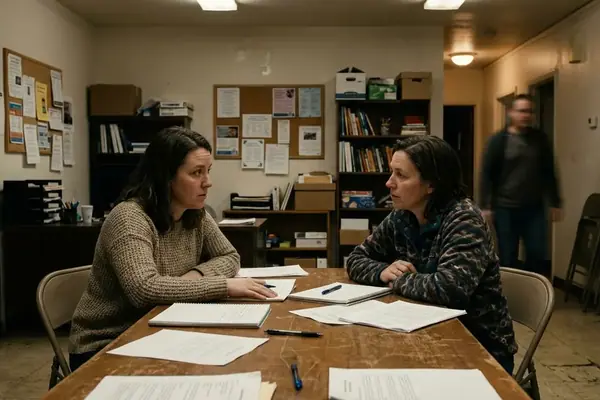
Alt text: Diagram showing a family spokesperson reviewing a written media request with a support person
Analyzing the Request Before You Answer
A family needs enough information to evaluate the request on its own terms. The following sequence turns an unexpected call into a reviewable decision.
Identify the journalist. Record the reporter’s full name, role, outlet, telephone number, and email address.
Define the assignment. Ask for the proposed topic, expected format, intended publication date, and exact deadline with its time zone.
Clarify the reporting frame. Ask what the reporter already knows, which questions they want answered, and what other kinds of sources are contributing to the story.
Request written questions. Written questions allow the family to inspect wording, identify unsafe subjects, and prepare factual responses.
Create review time. When circumstances permit, reserve roughly half an hour to an hour before answering. A recorded feature, long interview, or request involving children, addresses, routines, or disputed facts warrants a review period of half a day to a day.
Test the Purpose
A proactive advocacy interview usually starts with a family-defined purpose, such as preserving the loved one’s story or discussing victims’ rights. A reactive breaking-news request begins with the outlet’s immediate need for comment. The second format gives the family less time and may place crime details ahead of biography.
Three questions sharpen the choice:
What fact or understanding would the family add?
Does the format allow the loved one to be presented as a whole person?
What could become harder or less safe after publication?
Screen for Exposure
Names, addresses, photographs, routines, workplaces, schools, witness locations, and family relationships can reveal more than intended. The safety analysis should account for whether an arrest has occurred, whether a suspect knows the family, whether surviving children could be identified, and whether litigation remains pending.
In an active investigation, questions about evidence, threats, witness locations, medical findings, or a suspect should be checked with the assigned investigator, prosecutor, or a qualified lawyer before disclosure. This check concerns case-specific risk; it does not transfer the family’s media decision to another person.
Pause the Doorstep
A camera, ringing telephone, hospital corridor, or police briefing does not create an obligation to answer. Collect the contact information, end the exchange, and review the request somewhere private.
Preparing, Setting Boundaries, and Protecting the Story
Preparation works best when the family reduces the number of decisions required during the interview. One spokesperson can carry the agreed message while other relatives retain their privacy. The spokesperson does not need to be the person experiencing the most visible grief; the role should go to someone able to follow the plan and stop when necessary.
Build the One-Page Brief
The family should prepare a single sheet containing:
three messages the public should understand;
the correct spelling and pronunciation of names;
two safe biographical details about the person who died;
topics that will not be discussed;
a closing sentence that ends the interview clearly.
The three messages should use concrete language. “She called her grandmother every Sunday and mentored younger students” carries more human detail than a broad description such as “she was wonderful.” Safe specificity gives the reporter usable material without disclosing private routines that still affect surviving relatives.
Send the Terms First
Ground rules should be sent before the interview and confirmed again at the start. A family may decline questions about crime-scene details, children, medical information, family conflict, or the investigation. It may also decline a live or unedited broadcast, request the right to pause, and set a defined interview window of roughly 10 to 20 minutes.
The outlet may refuse a requested condition. That response gives the family useful information before recording begins. A family can then narrow the interview, postpone it, or decline.
A support person should remain nearby, keep the one-page brief visible, and watch for signs that the spokesperson needs a pause. Arrange a check-in immediately afterward and another within a day. The second conversation often catches concerns that were difficult to name in the first moments after the interview.
Redirect Without Arguing
When a question returns to graphic details, the spokesperson can acknowledge the topic briefly and bridge to an agreed message:
“That part belongs with the investigation. What our family wants people to know is…”
“We are keeping those details private. She should be remembered for…”
“We cannot address that question. We can tell you why this issue matters to families…”
Short bridges are easier to repeat under pressure. The goal is to provide a clear, quotable account of the loved one’s life rather than compete with the reporter for control of every question.
Outcomes: What Survivor-Led Coverage Achieves
The interview itself is only an activity. The meaningful outcome appears in the finished story: accurate naming, life details placed before or alongside crime information, restrained treatment of private material, and quotations that preserve the family’s intended meaning.
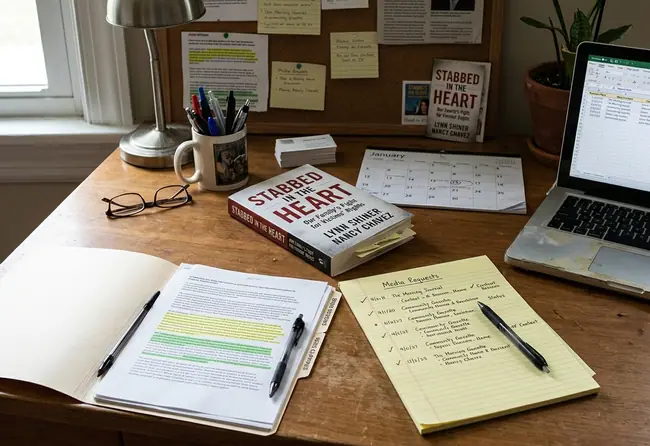
Prepared interviews can give families a stronger sense of agency and reduce avoidable re-traumatization because the terms were named before questioning began. Survivor advocacy through media can also bring victims’ rights, family needs, and the long duration of grief into public view. Stabbed in the Heart and storytelling spaces such as The Authors Zone (TAZ) reflect the same core discipline: the person’s humanity must remain central.
A family can prepare carefully and still receive a sensational headline, inaccurate caption, or report dominated by police information. Boundaries reduce exposure, but they do not give a source editorial control.
Review What Published
Within the first one to three days, review the headline, name spelling, photograph caption, quotations, links, and any address or family-identifying details. Preserve the page address and screenshots. If a factual error appears, send a concise correction request as soon as it is found, identifying the exact language and the accurate replacement.
Monitoring may need to resume when charges, hearings, sentencing, anniversaries, or advocacy milestones create renewed attention over later months or years. The original one-page brief can become a standing family reference for those future requests.
Measure the Story
Ask what a reader learns about the person who lived, which private details remain protected, and whether the family’s three messages survived editing. Those questions provide a more useful assessment than counting how many interviews occurred.
One Recommendation to Carry With You
Never agree to an interview during the first hours of shock. Take the reporter’s information and state that the family needs time. When feasible, postpone the decision for a few hours up to a day rather than responding at the door, in a hospital corridor, outside a police briefing, or immediately after notification.
A direct holding response removes the pressure to improvise:
“Our family is not giving interviews now. Please send your questions, deadline, and contact information in writing. We will respond if and when we are ready.”
Save that response in a phone now, share this guide with the person who may serve as spokesperson, and continue to the survivor resources available here. The family’s first media action should be a deliberate pause.







Your Thoughts
Nothing here yet. Add your opinion.