
Remembering Our Children
Core topics and current thinking
- Individual Tributes: Personal remembrances such as Randi's story keep attention on the child's humor, favorite songs, daily rituals, friendships, and lasting influence instead of allowing the homicide to become the whole story.
- Memorial Practices: Families may honor murdered children through scholarships, foundations, candlelight gatherings, birthday remembrances, memory tables, planted gardens, or simple annual acts that feel true to the child and manageable for the people grieving.
- Community Action: Events like Randi's Race show how neighbors, advocates, relatives, and survivor-support groups can gather around a family without demanding polished grief or public performance.
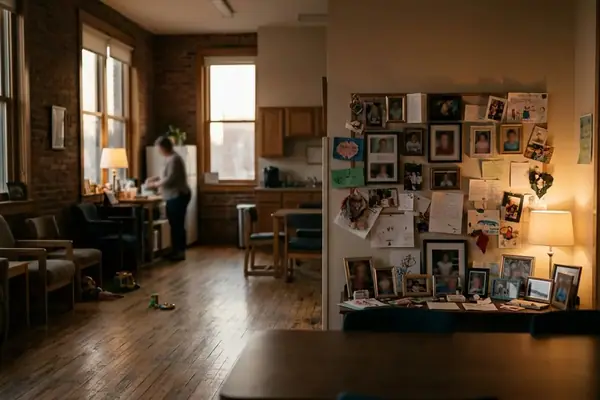
- Legacy Preservation: Keeping names, photographs, school memories, artwork, recipes, handwritten notes, and life stories visible helps protect a child's identity from being flattened into a case number or news headline.
- Survivor Connection: Shared tribute spaces give bereaved parents, siblings, grandparents, and homicide survivors language for continuing love, especially when ordinary condolences feel too small for violent loss.
Remembering a child taken by violence is tender work. Some families speak publicly right away; others need years before they can share a photograph, say the name aloud in a crowd, or write more than a sentence. Both are valid. A tribute does not have to explain the crime, answer strangers' questions, or turn pain into a lesson.
What matters is dignity: the child as they lived, the love that remains, and the community willing to witness without taking over the story. In that kind of remembrance, grief is not closed. It is carried with care.