
Speaking & Outreach
Core topics and current thinking
- Author Presentations: Live talks where Lynn Shiner and Nancy Chavez speak from the lived experience behind Stabbed in the Heart, naming the murder of a child without turning loss into spectacle and tracing what healing can look like after violence.
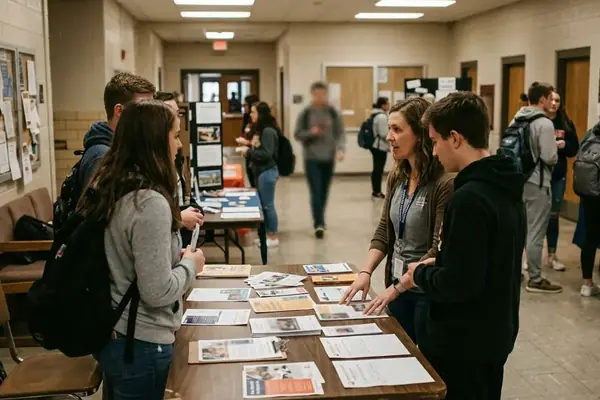
- Campus Education: Documented appearances, including the engagement at Shippensburg University, give students, victim-services trainees, and justice-related audiences a grounded view of homicide-survivor realities beyond case files and classroom summaries.
- Audience Takeaways: Attendees often leave with a clearer sense of how grief, PTSD, court processes, secondary victimization, and public silence can shape daily life for bereaved parents and families after murder.
- Event Booking: Organizers can use this category to think through audience fit, room tone, timing, emotional safety, speaker boundaries, and whether a community, campus, faith-based, or advocacy setting is prepared for survivor-led testimony.
- Community Outreach: These educational events carry crime-victim advocacy beyond the page, connecting survivors, advocates, professionals, and supporters with compassionate response practices rooted in real cases and remembered loved ones.

Survivor advocacy presentations work best when the event respects both the speaker and the people in the room. A homicide survivor is not there to perform pain. The stronger purpose is usually quieter: helping an audience understand what violent loss does to a family, what support helped, what caused harm, and how communities can respond with more care.
For organizers, this means planning with boundaries, not just enthusiasm. Build in time before and after the talk, prepare for difficult questions, and avoid requests for graphic detail. The most useful outreach keeps the murdered loved one at the center while giving listeners practical ways to stand beside survivors long after the program ends.