
Victim Advocacy
Core topics and current thinking
- Compensation Systems: How crime-victim compensation works in Pennsylvania, including eligibility screens, covered expenses such as funeral costs and counseling, filing steps, documentation habits, and what bereaved families can expect while an application moves through review.
- Family Advocacy: Practical guidance for standing alongside families after homicide, from court accompaniment and prosecutor communication to meals, memorial planning, anniversary dates, and the quiet months when public attention has faded.
- Reparations & Reconciliation: Frameworks for supporting survivors of abuse and violent crime through restorative approaches grounded in dignity, repair, accountability, and the survivor’s right to set boundaries around forgiveness, privacy, and participation.
- Policy & Leadership: Insight drawn from Lynn Shiner’s decades directing victim-services programs, translating bereaved-parent experience and field practice into clearer systems for rights notification, family communication, and trauma-informed advocacy.
- Scope & Limitations: These resources offer informational and advocacy guidance, not legal counsel, emergency protection, clinical diagnosis, or treatment; consult qualified professionals for decisions tied to a specific case, safety concern, or health need.


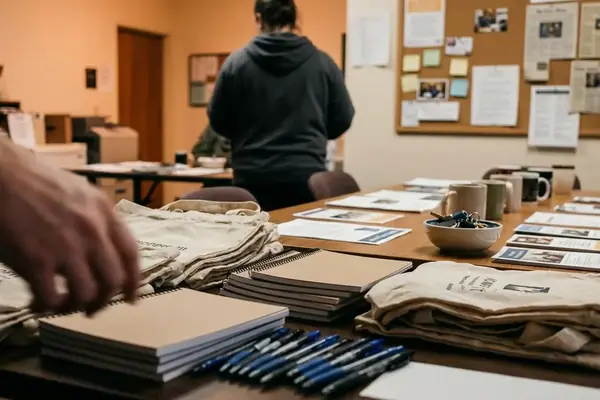

Victim advocacy often begins in ordinary places: a kitchen table covered with court notices, a parent trying to understand compensation forms, an advocate sitting beside a family before a hearing. This category keeps that ground-level reality in view while explaining the systems survivors are asked to navigate.
The aim is not to make grief neat or to promise a certain outcome. It is to offer clear language, practical orientation, and steady respect for people living with violent loss while they seek safety, recognition, justice, and meaning.