
Healing & Resilience
Core topics and current thinking
What's Inside
Homicide loss brings grief, trauma, public questions, court dates, family strain, and memories that do not arrive in neat order. This guide is written for survivors, bereaved parents, relatives, advocates, and community supporters who need language for pain that often feels unspeakable.
Areas this guide helps you name and navigate
- Grief Navigation: Practical first steps for surviving the disorienting early weeks after the murder of a child or loved one, including how to handle numbness, anger, and the pressure to answer everyone’s questions.
- Traumatic Grief: Clear explanations of how homicide loss differs from ordinary bereavement and why violent death can leave survivors carrying both sorrow and a shaken sense of safety.
- PTSD Awareness: Recognizing post-traumatic stress symptoms common to homicide survivors, such as intrusive images, avoidance, sleep disruption, startle responses, and fear that seems to come from nowhere.
- Rebuilding Life: Lessons drawn from two mothers, Lynn Shiner and Nancy Chavez, who reconstructed meaning after violent loss without pretending that resilience removes the ache of love.
- Memoir & Story: Reflections rooted in Stabbed in the Heart that pair personal testimony with guidance for remembrance, peer support, victim-services navigation, and hope after murder.

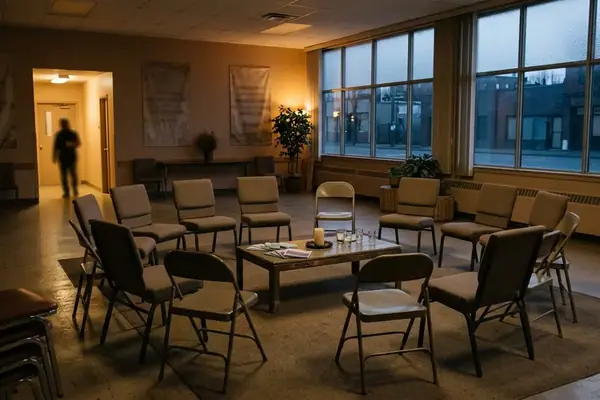
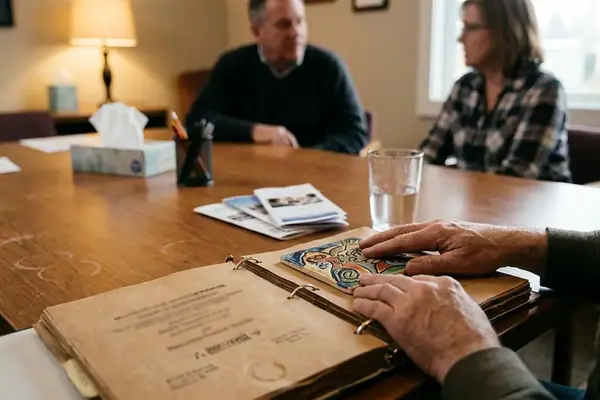
Healing after homicide loss is not a straight path, and it is not measured by how quickly a survivor becomes quiet, composed, or useful to others. Some days require practical help with court-related stress or victim-services paperwork. Other days require room to say the person’s name, tell the story again, or sit with anger without being corrected.
This resource does not replace mental health care, legal guidance, or crisis support. It offers a grounded starting place for survivors and helpers who want to honor the person who was killed while still making space for breath, connection, and a future that carries love forward.